
Traveling to San Francisco, the vibrant city known for its iconic Golden Gate Bridge, rolling hills, and eclectic neighborhoods, is an adventure that many look forward to. Yet, finding the perfect flight can sometimes feel as daunting as navigating the city’s famous cable cars. With numerous airlines, flight times, and fare types available, making the right choice can save not only money but also valuable travel time. In this comprehensive guide, I’ll share my insights on the best flights to San Francisco and essential tips to book smartly, all drawn from years of experience as a travel enthusiast.
Understanding Your Flight Options
San Francisco International Airport (SFO) is the main gateway to the city, handling millions of passengers each year. When searching for flights, it’s essential to consider a few key factors:
1. Direct vs. Connecting Flights
Direct flights are the most convenient, offering a stress-free experience without layovers. If your priority is minimizing travel time, airlines like United, Delta, and American Airlines operate direct flights from many major cities. However, direct flights often come with a higher price tag.
Connecting flights, on the other hand, may involve one or two layovers but can save you a significant amount of money. For example, flying through hubs like Dallas, Chicago, or Denver can sometimes reduce your ticket cost by up to 30%. When opting for connecting flights, be sure to leave ample time between connections to account for potential delays.
2. Domestic vs. International Carriers
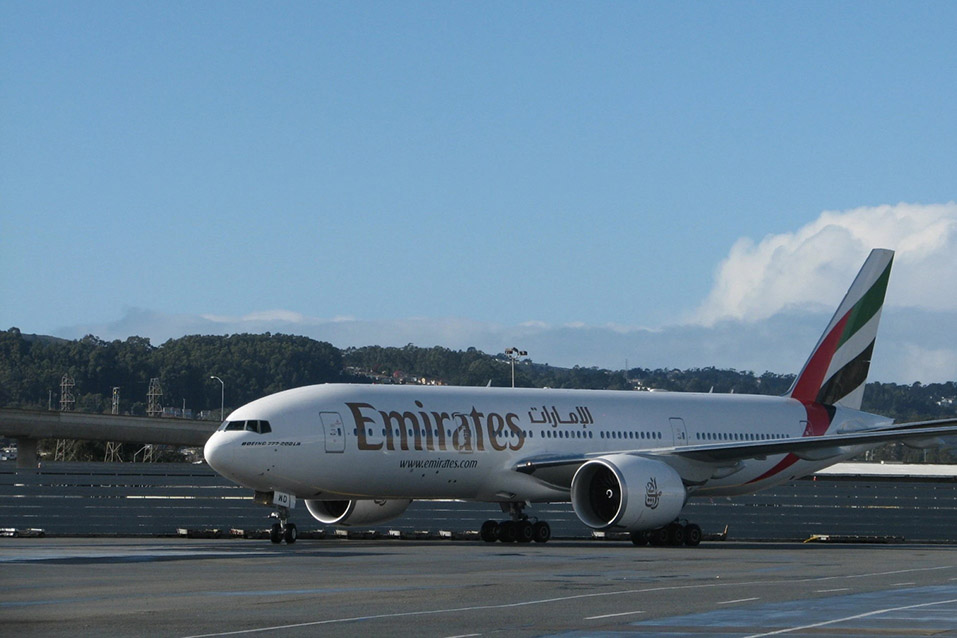
Domestic airlines such as United, Southwest, and Alaska Airlines often provide excellent routes to San Francisco with reliable schedules. For travelers coming from overseas, international carriers like Lufthansa, British Airways, or Emirates offer direct services from major cities worldwide. While international flights are longer and generally more expensive, they often include perks like extra baggage allowance, meals, and in-flight entertainment.
3. Low-Cost Carriers
Low-cost carriers such as Southwest, Spirit, and Frontier have become increasingly competitive in the domestic market. While these airlines offer cheaper base fares, additional fees for luggage, seat selection, and in-flight amenities can quickly add up. It’s essential to calculate the total cost before committing to a budget airline. Personally, I often compare the “all-in” cost of a low-cost carrier with a standard airline to ensure that the perceived savings are real.
Timing Matters
The timing of your booking can make a huge difference in price. While I won’t refer to specific months, there are general trends that savvy travelers can take advantage of.
1. Book Early, But Not Too Early
Airline pricing is dynamic. Booking too early may mean missing out on lower promotional fares, while booking too late often results in higher prices. I typically recommend starting to monitor flights around 2–4 months in advance for domestic routes and 4–6 months for international flights. Setting up fare alerts using tools like Google Flights or Hopper can notify you when prices drop.
2. Flexible Dates Save Money
If your travel dates are flexible, you can find substantially cheaper flights. Flying mid-week, such as on a Tuesday or Wednesday, is often less expensive than weekend departures. Early morning or late-night flights are also commonly cheaper than peak-time departures. Personally, I always adjust my search by a few days to see if a minor shift in travel dates can reduce the ticket cost.
3. Consider Nearby Airports
While SFO is the primary airport, Oakland (OAK) and San Jose (SJC) are viable alternatives within reasonable driving distance to San Francisco. Flights to these airports can sometimes be cheaper, and they may offer more options for low-cost carriers. If you are comfortable with a short commute into the city, this flexibility can lead to significant savings.
Tips for Finding the Best Fares
Here are my tried-and-true strategies to make sure you get the best deal on your flight:
1. Use Multiple Search Engines
No single flight search engine is perfect. I recommend comparing prices on Google Flights, Skyscanner, Kayak, and Momondo. Each platform has unique algorithms and occasionally displays fares that others do not. Once you find the ideal flight, check the airline’s official website; booking directly can sometimes provide additional benefits like free seat selection or easier changes.
2. Set Fare Alerts
Tools like Google Flights, Hopper, and Airfarewatchdog allow you to set alerts for specific routes. Once a price drops, you’ll get notified immediately. I personally set multiple alerts for the same route at different times to maximize my chances of catching a good deal.
3. Mix and Match Airlines
Sometimes the cheapest option isn’t a round-trip ticket from a single airline. By booking one leg with one carrier and the return with another, you may save a considerable amount. While this requires careful planning to ensure connections and baggage policies align, it can result in substantial savings.
4. Consider Alternative Booking Options
Certain booking platforms occasionally offer special promotions or bundled deals with hotels and car rentals. If you plan to rent a car in San Francisco, platforms like Expedia or Priceline sometimes provide discounts when you book flight and car together. Personally, I check both airline websites and third-party platforms before finalizing any purchase.
5. Use Airline Miles or Credit Card Points
Frequent flyers and credit card holders can leverage points to reduce or even fully cover the cost of their flight. I often transfer points to airline loyalty programs to book flights that would otherwise be expensive. Some credit cards also provide perks like free checked bags or priority boarding, which can enhance your travel experience.
Flight Classes and Comfort Considerations
While economy class is the most common choice, it’s worth considering options if comfort is a priority:
1. Premium Economy
For slightly higher fares, premium economy offers extra legroom, better seats, and sometimes enhanced meal service. On long-haul flights to San Francisco, this can make a noticeable difference in comfort without the cost of business class.
2. Business Class
Business class can be a game-changer for long flights, providing lie-flat seats, priority boarding, and lounge access. While expensive, booking during airline sales or using points can make this option surprisingly attainable. Personally, I occasionally splurge on business class for cross-country flights, especially if I know I’ll need to be refreshed upon arrival.
Avoiding Common Pitfalls
Even seasoned travelers can fall into common booking traps. Here’s what I’ve learned to avoid:
- Ignoring Layover Times: Extremely short layovers may save money but leave little room for missed connections. Conversely, unnecessarily long layovers can make your journey exhausting. I aim for 1.5–3 hours for domestic connections and 2–4 hours for international ones.
- Overlooking Baggage Fees: Low-cost carriers often lure travelers with low base fares but charge for luggage. I always calculate the total cost, including baggage, before booking.
- Being Inflexible: Being rigid with dates, airports, or airlines can limit options and inflate costs. Flexibility is key to finding great deals.
Additional Money-Saving Strategies
- Sign Up for Newsletters: Many airlines send exclusive offers to subscribers. I usually get first access to flash sales or discount codes this way.
- Use Incognito Mode: Some travelers believe that flight prices increase if you repeatedly search a route. Using a browser in incognito mode or clearing cookies can sometimes prevent price inflation.
- Book Round-Trip Instead of Two One-Way Tickets: While not always true, round-trip tickets are often cheaper than purchasing two separate one-way fares. Always compare both options.
- Consider Multi-City Itineraries: Sometimes, adding an extra stop in a nearby city can reduce overall costs. For example, flying into Los Angeles and connecting to San Francisco on a budget carrier may be cheaper than a direct flight.
Finally, think about how your flight choice affects your arrival in San Francisco. SFO offers convenient public transportation options like the BART train to downtown. Flights arriving early in the day allow you to settle in and start exploring, while late arrivals may mean additional taxi or rideshare costs. Personally, I prefer flights landing mid-morning or early afternoon to maximize my first day in the city.

Booking the perfect flight to San Francisco involves more than just picking the earliest or cheapest option. By understanding the different types of flights, leveraging flexible dates, comparing multiple platforms, and considering baggage and comfort, you can find a flight that balances convenience and cost. From direct routes to strategic connecting flights, domestic and international carriers to budget options, there’s a solution for every traveler.
Money-saving strategies such as fare alerts, mixing airlines, using points, and monitoring promotions can make a significant difference in your travel budget. The key is planning ahead, staying flexible, and being willing to explore alternative options.
Whether you’re heading to the city for its world-class cuisine, iconic landmarks, or vibrant cultural scene, choosing the right flight can set the tone for your entire trip. Armed with these insights, you’ll be well-prepared to navigate the sometimes overwhelming world of flight booking and land in San Francisco ready to explore everything this remarkable city has to offer.